Tri Tip Two Ways – Juicy & Flavorful
Tri tip, a prized cut of beef, is a revelation for any home cook looking to impress with minimal fuss. This triangular marvel, with its incredible marbling and tender texture, is a backyard BBQ legend for a reason. It boasts a rich, beefy flavor that stands up beautifully to marinades and dry rubs, making it incredibly versatile. What truly makes tri tip special is its ability to transform from a simple weeknight meal into a showstopper for gatherings. It’s the perfect canvas for experimentation, and today, we’re diving into two distinct and delicious ways to prepare this magnificent cut of tri tip, ensuring you’ll find a new favorite. Get ready to elevate your grilling game!
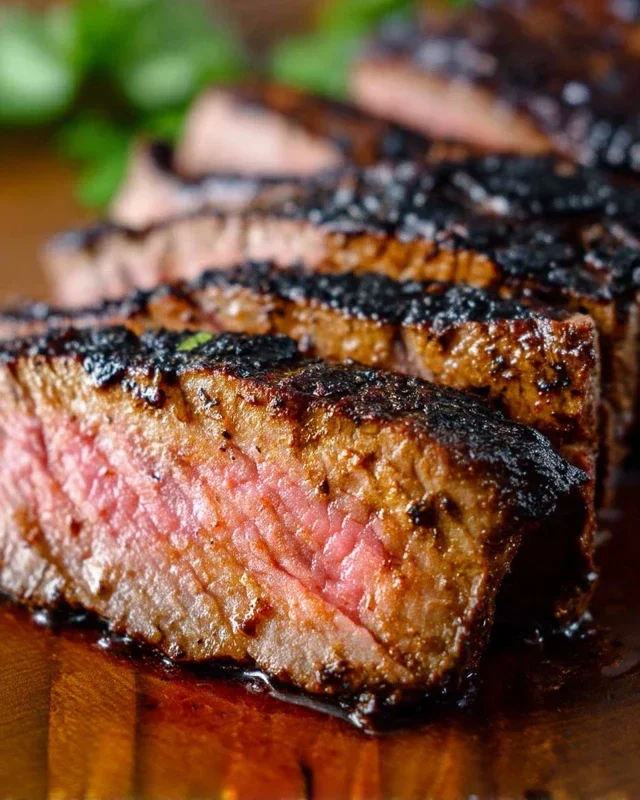
Tri Tip (2 Ways)
The tri tip roast, also known as the “Santa Maria steak,” is a wonderfully flavorful and surprisingly tender cut of beef that’s perfect for grilling or roasting. Its triangular shape might seem a little intimidating at first, but once you master a few simple techniques, it becomes a go-to for impressive weeknight dinners or weekend gatherings. Today, I’m going to show you two fantastic ways to prepare this delicious roast, offering slightly different flavor profiles and cooking experiences. Whether you prefer a classic smoky char or a more herb-infused approach, you’ll find a method here to love. Let’s get started!
Ingredients:
Method 1: The Classic Santa Maria Grill
This method celebrates the inherent flavor of the tri tip with a simple yet potent seasoning blend, perfect for the grill. The goal here is to achieve a beautiful, smoky crust while keeping the inside juicy and tender.
1. Prepare the Roast: Pat your 2 & 1/2 pound tri tip roast completely dry with paper towels. This is a crucial step for developing a good sear. In a small bowl, combine the Lawry’s seasoning salt, kosher salt, black pepper, sugar, and garlic powder. This blend creates a fantastic base for the tri tip, with the sugar helping with caramelization. Rub the entire tri tip generously with this seasoning mixture, ensuring all sides are coated. Let the seasoned roast sit at room temperature for at least 30 minutes, and up to an hour, before cooking. This allows the salt to penetrate the meat and the roast to come closer to an even cooking temperature, which promotes more uniform doneness.
2. Preheat the Grill: Set up your grill for two-zone cooking. This means having one side with direct heat (coals or burners on) and the other side with indirect heat (coals moved to one side or burners off). Aim for a medium-high heat on the direct side, around 400-450 degrees Fahrenheit. A good sear is essential for flavor, but we’ll finish it over indirect heat to ensure it cooks through without burning.
3. Sear and Grill: Place the seasoned tri tip directly over the hot side of the grill. Sear for approximately 3-4 minutes per side, until a beautiful, dark brown crust forms. Don’t be afraid to get a good char – that’s where a lot of the flavor comes from! Once seared on all sides, move the tri tip to the cooler, indirect heat side of the grill. Close the lid and continue to cook, flipping occasionally, until an instant-read thermometer inserted into the thickest part of the roast registers your desired internal temperature. For medium-rare, aim for 130-135 degrees Fahrenheit. For medium, 135-140 degrees Fahrenheit. The total grilling time will vary depending on the thickness of your roast and the heat of your grill, but it typically takes another 20-30 minutes after searing.
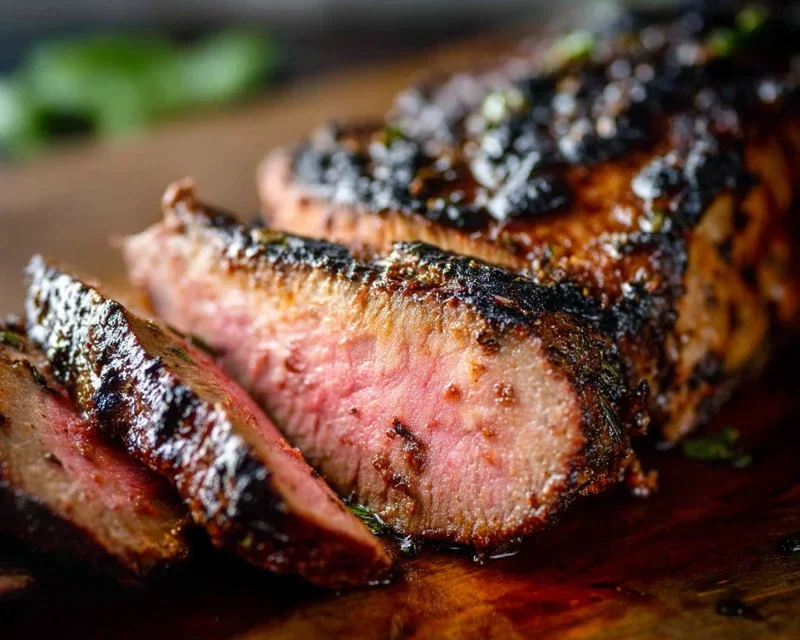
4. Rest and Slice: Once the tri tip reaches your target temperature, remove it from the grill and place it on a cutting board. Tent it loosely with foil and let it rest for at least 10-15 minutes. This resting period is non-negotiable! It allows the juices to redistribute throughout the meat, resulting in a much more tender and moist roast. Skipping this step will cause all those delicious juices to run out onto your cutting board. After resting, slice the tri tip against the grain. You’ll notice the grain runs in different directions in different parts of the roast, so pay attention to find the direction of the fibers and slice perpendicular to them.
Method 2: The Garlic Herb Pan Roast (or Oven Finish)
This method leans into aromatic flavors with garlic and parsley, offering a wonderfully fragrant and juicy tri tip. It’s a great option if grilling isn’t feasible, as it can be finished in the oven.
1. Season and Prepare for Searing: Pat your 2 & 1/2 pound tri tip roast dry with paper towels. In a small bowl, combine the garlic salt, black pepper, sugar, garlic powder, and dried or fresh parsley. Rub this mixture all over the tri tip. In a separate small bowl, whisk together the olive oil and the fresh parsley (if using fresh, finely chop it). Brush this herb-infused olive oil over the seasoned roast. Let the roast sit at room temperature for at least 30 minutes.
2. Sear in a Pan: Heat a large, oven-safe skillet (cast iron is ideal) over medium-high heat. Add a tablespoon of your preferred cooking oil (like canola or vegetable oil) to the hot pan. Carefully place the seasoned tri tip into the hot skillet, fat-side down if there’s a significant fat cap. Sear the roast for about 3-4 minutes per side until a deep brown crust develops. This initial sear is crucial for flavor and texture, even if you plan to finish it in the oven.
3. Oven Finish (or Continue Pan Roasting): If finishing in the oven, preheat it to 375 degrees Fahrenheit. Once seared, transfer the oven-safe skillet with the tri tip to the preheated oven. Roast for approximately 15-25 minutes, or until an instant-read thermometer inserted into the thickest part registers your desired internal temperature (130-135°F for medium-rare, 135-140°F for medium). If you don’t have an oven-safe skillet, you can transfer the seared roast to a baking sheet and then into the oven. Alternatively, you can continue to pan roast it over medium heat, flipping every few minutes, until it reaches your desired doneness, basting with any pan juices as you go.
4. Rest and Slice: Remove the tri tip from the skillet or oven and place it on a clean cutting board. Tent it loosely with foil and let it rest for 10-15 minutes. This resting period is vital for retaining moisture and ensuring a tender result. After resting, slice the tri tip against the grain for maximum tenderness. You’ll love the fragrant aroma that fills your kitchen with this method!
Both of these methods yield a delicious tri tip that’s sure to impress. Experiment with both and see which one becomes your favorite! Enjoy!
Conclusion:
I hope you’re as excited about tri tip as I am after exploring these two delicious methods! The beauty of tri tip is its incredible flavor and tender texture, making it a fantastic choice for both weeknight meals and weekend entertaining. Whether you opt for the smoky depth of the grill or the juicy perfection of the oven, this versatile cut truly shines. The simplicity of these recipes means you can achieve restaurant-quality results with minimal fuss, allowing you to spend more time enjoying your meal and less time stressing in the kitchen.
To elevate your tri tip experience, consider serving it with classic sides like roasted potatoes, a fresh green salad, or grilled asparagus. For a more casual affair, it’s also brilliant sliced thin for sandwiches or even incorporated into hearty tacos. Don’t be afraid to experiment with marinades or spice rubs before you cook – the tri tip readily accepts a wide array of flavors. I truly encourage you to give these recipes a try; you might just find your new go-to when you’re craving something truly satisfying.
Frequently Asked Questions:
What is the best way to slice tri tip?
The key to tender tri tip slices is to slice it against the grain. Look for the direction the muscle fibers are running and cut perpendicular to them. This breaks down the fibers, resulting in a much more enjoyable bite.
Can I marinate tri tip ahead of time?
Absolutely! Marinating tri tip for at least 4 hours, or even overnight, will infuse it with extra flavor and help tenderize the meat further. Just ensure your marinade is suitable for the cooking method you’ve chosen.
What if I don’t have a grill or oven?
While grilling and oven-roasting are ideal for tri tip, you can also achieve great results by pan-searing it over medium-high heat after bringin extractg it to room temperature. Sear on all sides until a nice crust forms, then reduce heat and continue cooking until desired doneness.
Tri Tip (2 Ways)
A versatile tri tip recipe that can be prepared in two delicious ways, perfect for any occasion.
Ingredients
-
2 & 1/2 pound tri tip roast
-
1 & 1/2 teaspoons garlic salt
-
1 tablespoon Lawry’s seasoning salt
-
1 & 1/2 teaspoons kosher salt (Diamond Crystal)
-
1 teaspoon black pepper
-
1/2 teaspoon sugar
-
2 teaspoons garlic powder
-
1 tablespoon dried or fresh parsley
-
1/4 cup olive oil
Instructions
-
Step 1
Preheat your oven to 400°F (200°C) for the oven-baked method, or preheat your grill to medium-high heat for the grilled method. -
Step 2
In a small bowl, combine the garlic salt, Lawry’s seasoning salt, kosher salt, black pepper, sugar, garlic powder, and parsley. This is your seasoning blend. -
Step 3
Pat the tri tip roast dry with paper towels. Rub the entire surface of the roast with the olive oil, then generously coat it with the prepared seasoning blend. -
Step 4
For oven-baked: Place the seasoned tri tip on a baking sheet and roast for approximately 45-60 minutes, or until the internal temperature reaches your desired doneness (130-135°F for medium-rare). -
Step 5
For grilled: Sear the tri tip on the preheated grill for 5-7 minutes per side to get a good crust. Then, move to indirect heat and continue grilling for 30-45 minutes, or until the internal temperature reaches your desired doneness (130-135°F for medium-rare). -
Step 6
Once cooked, remove the tri tip from the oven or grill and let it rest on a cutting board, loosely tented with foil, for at least 10-15 minutes before slicing against the grain.
Important Information
Nutrition Facts (Per Serving)
It is important to consider this information as approximate and not to use it as definitive health advice.
Allergy Information
Please check ingredients for potential allergens and consult a health professional if in doubt.