
Spicy Potato Noodles-Flavorful & Easy Recipe
Spicy Potato Noodles are more than just a meal; they’re an adventure for your taste buds! If you’re anything like me, you crave that perfect balance of heat, savory depth, and satisfying chew, and that’s precisely what these incredible Spicy Potato Noodles deliver. Forget boring pasta; we’re talking about tender, springy noodles crafted from the humble potato, absorbing every drop of a fiery, umami-rich sauce. What makes this dish so beloved? It’s the ingenious simplicity coupled with an explosion of flavor. Each slurp is a delightful dance between the comforting earthiness of potato and a tantalizing spice that builds with every bite. It’s the kind of dish that warms you from the inside out, making it perfect for a chilly evening or whenever you need a culinary pick-me-up. This isn’t just dinner; it’s an experience waiting to happen in your kitchen.
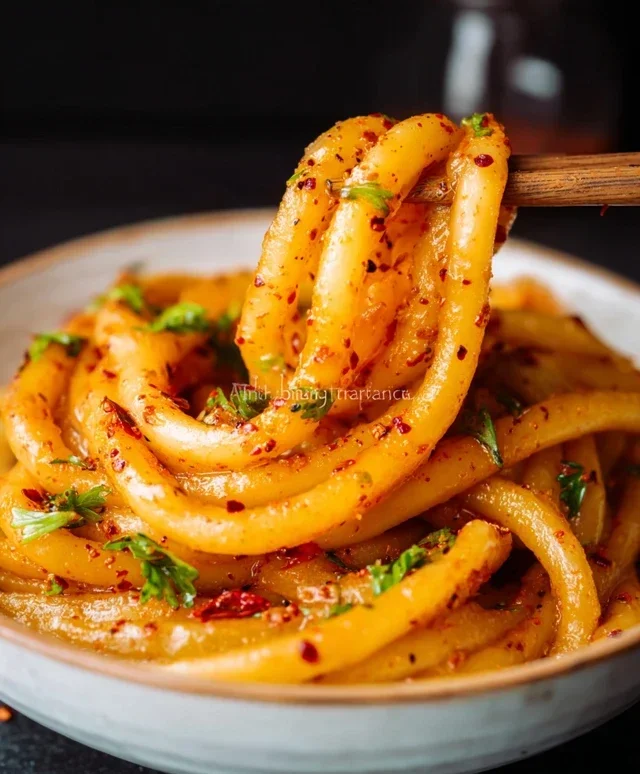
Spicy Potato Noodles
Get ready to tantalize your taste buds with these incredibly flavorful and surprisingly easy Spicy Potato Noodles! If you’ve never made noodles from scratch before, you’re in for a treat. These aren’t your average pasta; they have a delightful chewy texture that’s incredibly satisfying, and when coated in a vibrant, spicy sauce, they become an instant favorite. They’re perfect as a quick weeknight meal or an impressive dish to share with friends. The magic truly lies in how simple ingredients like potatoes and potato starch transform into these addictive noodles. Let’s get started!
Ingredients:
Making the Potato Dough
The foundation of our delicious noodles starts with the humble potato. We’ll transform it into a wonderfully pliable dough.
1. First things first, we need to cook our potatoes. Place your peeled and chopped russet potatoes into a medium saucepan. Cover them generously with cold water, ensuring they are fully submerged. Add the ½ teaspoon of salt to the water. Bring the water to a boil over medium-high heat, then reduce the heat to medium-low and let them simmer until the potatoes are fork-tender. This usually takes about 15-20 minutes, depending on the size of your potato pieces. You want them to be easily mashable, with no resistance when you poke them with a fork. Once cooked, drain the potatoes very thoroughly. It’s important to get as much water out as possible, so you can even let them sit in the colander for a few minutes to steam dry a bit.
2. Now it’s time to mash those potatoes. Transfer the drained potatoes to a large bowl. Using a potato masher or a fork, mash them until they are as smooth as possible. We’re aiming for a lump-free purée. The smoother the mash, the smoother your noodle dough will be. Once mashed, let the potatoes cool down for about 5-10 minutes. We don’t want them piping hot when we add the potato starch, as it can affect the texture.
3. It’s time to bring our dough together! To the cooled mashed potatoes, add the 1½ cups of potato starch. Gradually incorporate the starch, mixing with a spatula or wooden spoon at first. As the mixture starts to come together, you can switch to using your hands. Knead the dough gently until it forms a cohesive, smooth ball. It will feel slightly sticky at first, but as you knead, it should become manageable and less sticky. If the dough feels too dry and crum extractbly, add a tiny splash more water (a teaspoon at a time). If it feels too wet and sticky, add a tablespoon more potato starch. The goal is a dough that’s soft and pliable, not stiff or overly wet.
Shaping and Cooking the Noodles
With our dough ready, we’ll move on to shaping and cooking these unique noodles.
4. Now for the fun part: shaping the noodles! You have a few options here. The most traditional method involves rolling out the dough. Lightly dust your work surface with a little potato starch. Take about a quarter of your dough and roll it into a log about ½ inch thick. Then, using a sharp knife or a bench scraper, cut the log into small pieces, about ½ inch long. You can leave them as is for a more rustic noodle, or you can gently roll each piece between your palms to create a slightly more rounded shape. Another method, especially if you want thinner noodles, is to roll the dough very thinly (about ⅛ inch thick) into a large rectangle, then cut it into strips. Alternatively, you can pinch off small pieces of dough and roll them into ropes, then flatten them slightly with your fingers. The key is to make them relatively uniform in size for even cooking. As you shape them, place them on a parchment-lined baking sheet dusted with a little potato starch so they don’t stick together.
5. Let’s get these noodles cooked! Bring a large pot of water to a rolling boil. Carefully drop your shaped potato noodles into the boiling water, making sure not to overcrowd the pot. Stir them gently with a spoon to prevent them from sticking to the bottom or to each other. The noodles will sink at first, but as they cook, they will rise to the surface. Once they float, let them cook for another 2-4 minutes. You’re looking for them to be slightly translucent and chewy. They should have a good bite to them, not be mushy. While the noodles are cooking, prepare an ice bath by filling a large bowl with cold water and ice. Once the noodles are cooked, use a slotted spoon to transfer them directly into the ice bath. This is a crucial step as it stops the cooking process immediately and helps them achieve that signature chewy texture. Let them chill in the ice bath for a couple of minutes, then drain them very well.
Crafting the Spicy Sauce and Assembling
The sauce is where all the flavor truly comes alive!
The Flavorful Sauce
In a small bowl, whisk together all the sauce ingredients: 2 tablespoons regular soy sauce, 2 tablespoons Chinese black vinegar, 2 tablespoons gochugaru (coarse or fine ground, depending on your preference for heat and texture), 1¼ teaspoons granulated sugar, and ⅛ teaspoon salt. This combination of salty, tangy, and spicy creates a beautifully balanced sauce that clings perfectly to the noodles. The gochugaru provides that signature kick, while the sugar helps to round out the flavors and the black vinegar adds a wonderful depth of tangin extractess.
Bringin extractg it All Together
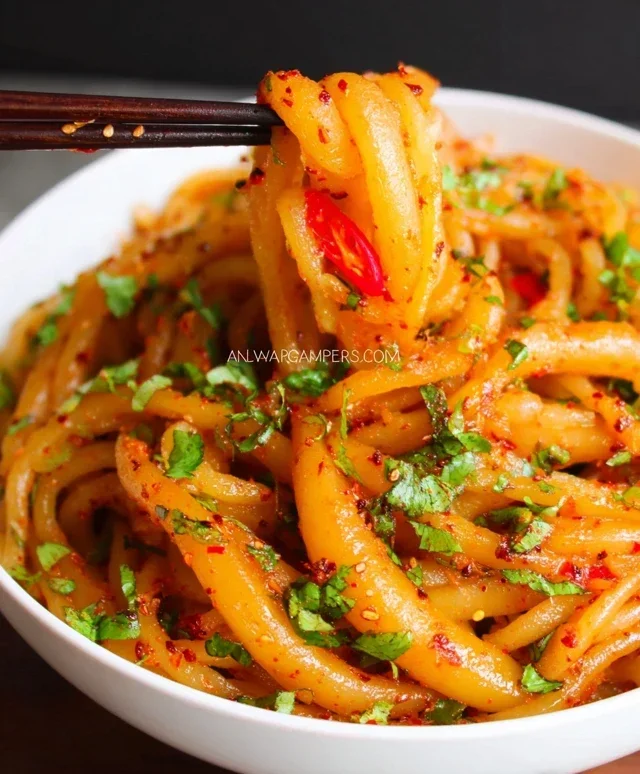
In a large skillet or wok, heat the 3 tablespoons of neutral oil over medium heat. Add the 2 tablespoons of minced garlic and sauté for about 30 seconds until fragrant. Be careful not to burn the garlic; we just want to infuse the oil with its delicious aroma. Add the sliced green onion and sauté for another 30 seconds. Pour the prepared sauce into the skillet and let it simmer for about 1 minute, allowing the flavors to meld together. Add your drained potato noodles to the skillet with the sauce. Toss everything gently to ensure the noodles are evenly coated in the spicy sauce. Cook for another 1-2 minutes, just to warm the noodles through and allow them to absorb some of the sauce’s flavor. Finally, stir in the ⅓ cup of roughly chopped cilantro. The fresh cilantro adds a bright, herbaceous note that cuts through the richness of the sauce. Serve immediately and enjoy the incredibly satisfying chew of these amazing Spicy Potato Noodles!
Conclusion:
There you have it – your guide to creating incredibly satisfying Spicy Potato Noodles! This recipe is a true winner because it transforms humble potatoes into a delightful, chewy noodle experience, bursting with bold, spicy flavors. It’s surprisingly simple to make, incredibly versatile, and offers a unique textural adventure that regular pasta just can’t match. Whether you’re looking for a quick weeknight meal or a show-stopping dish to impress guests, these noodles deliver on all fronts.
I highly encourage you to give these Spicy Potato Noodles a try! Don’t be intimidated by making your own noodles; the process is quite rewarding and the result is absolutely worth it. Feel free to experiment with the spice level to suit your preference – a little more chili oil or a pinch of cayenne can easily crank up the heat. For serving, I love pairing them with some crisp, blanched greens like bok choy or spinach, a sprinkle of toasted sesame seeds, and perhaps some pan-fried tofu or shredded chicken for added protein. You can also toss in some colorful vegetables like bell peppers and snow peas for extra crunch and nutrition. Embrace the deliciousness!
Frequently Asked Questions:
Can I make the noodles ahead of time?
Yes, you can! Once shaped, you can store the raw noodles in an airtight container in the refrigerator for up to 24 hours. It’s best to lightly dust them with flour to prevent sticking. Cook them directly from the fridge, adding a minute or two to the cooking time.
What if I don’t have potato starch?
While potato starch is ideal for achieving that signature chewy texture, you can try using an equal amount of tapioca starch or cornstarch as a substitute. The texture might vary slightly, but it should still be delicious!
How can I make this recipe vegetarian or vegan?
This recipe is inherently vegetarian! To make it vegan, simply ensure your chili oil and any other flavoring agents are vegan-friendly. Omit any optional non-vegan toppings like eggs or dairy.
Spicy Potato Noodles
Chewy and flavorful potato noodles with a spicy, tangy sauce, perfect for a quick and satisfying meal.
Ingredients
-
1.1 pounds russet potato, peeled and cut into 1 inch pieces
-
½ teaspoon salt
-
1½ cup potato starch
-
½ cup water, warm
-
2 tablespoons regular soy sauce
-
2 tablespoons Chinese black vinegar
-
2 tablespoons gochugaru (coarse)
-
1¼ teaspoons granulated sugar
-
⅛ teaspoon salt
-
2 tablespoons garlic, minced
-
1 stalk green onion, sliced
-
3 tablespoons oil (any neutral oil)
-
⅓ cup cilantro, roughly chopped
Instructions
-
Step 1
Boil the potato pieces in water with ½ teaspoon of salt until very tender. Drain well and mash until smooth. -
Step 2
In a bowl, combine the mashed potato with 1½ cups of potato starch. Gradually add ½ cup of warm water while mixing until a dough forms. Knead for 5-7 minutes until smooth and elastic. -
Step 3
Roll the dough into long ropes about ½ inch thick. Cut the ropes into 2-inch pieces. Flatten each piece with your palm and then use your thumb to press and drag it, creating the signature noodle shape. Dust with a little extra potato starch to prevent sticking. -
Step 4
Bring a pot of water to a boil. Cook the potato noodles in batches until they float to the surface, about 3-5 minutes. Drain and rinse with cold water. -
Step 5
In a large bowl, whisk together soy sauce, Chinese black vinegar, gochugaru, granulated sugar, ⅛ teaspoon salt, and minced garlic. -
Step 6
Heat the oil in a small skillet over medium heat. Pour the hot oil over the sauce mixture. This helps to bloom the spices. -
Step 7
Add the cooked noodles to the sauce. Toss well to coat. Stir in the sliced green onion and chopped cilantro.
Important Information
Nutrition Facts (Per Serving)
It is important to consider this information as approximate and not to use it as definitive health advice.
Allergy Information
Please check ingredients for potential allergens and consult a health professional if in doubt.
