Easy Lemon Vinaigrette Dressing Recipe- Quick & Flavorful
Basic Lemon Vinaigrette Dressing is the unsung hero of any salad lover’s kitchen. It’s the foundational flavor that transforms humble greens into something truly delightful. Forget those bottled dressings packed with artificial ingredients and a list of preservatives longer than your arm. There’s a reason why so many of us gravitate towards a bright, zesty vinaigrette – it’s simple, clean, and utterly delicious. This recipe for basic lemon vinaigrette dressing is my go-to, and I think you’ll quickly understand why. It’s incredibly versatile, acting as the perfect partner for delicate spring greens, sturdy knon-alcoholic ale salads, or even as a marinade for chicken or fish. What makes this basic lemon vinaigrette dressing so special is its pure, unadulterated taste that allows the freshness of your ingredients to shine through. It’s a testament to how a few quality ingredients, combined with a little love, can create something truly magnificent.
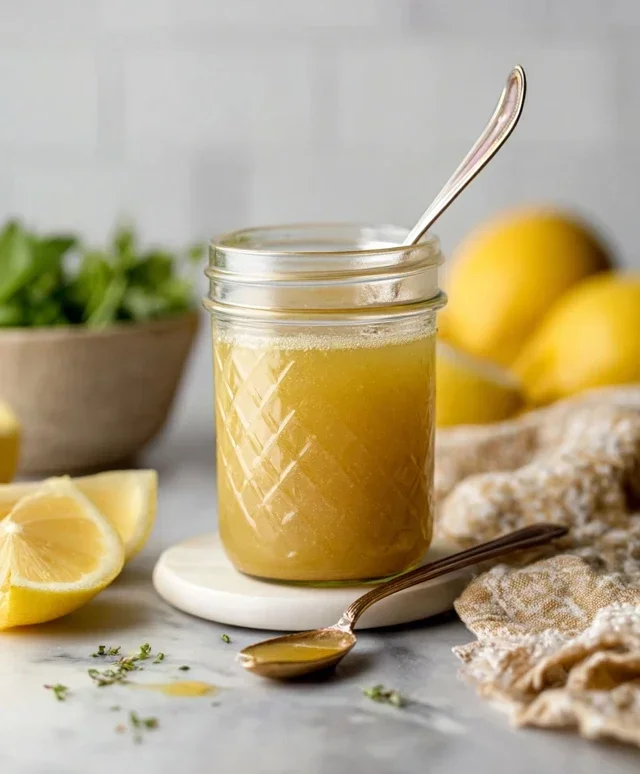
Basic Lemon Vinaigrette Dressing
Hello fellow food enthusiasts! Today, I’m excited to share a recipe that’s a true kitchen workhorse: a basic lemon vinaigrette. This isn’t just any salad dressing; it’s a fundamental building block that can elevate a simple green salad into something truly special. I find myself reaching for this recipe time and time again because it’s incredibly versatile, quick to make, and packed with bright, fresh flavors. Forget those store-bought dressings that are often loaded with preservatives and artificial ingredients. Making your own vinaigrette is a game-changer, and this lemon version is the perfect starting point. Its tangy zest cuts through richer flavors and brightens up even the most humble of greens. Plus, you can easily customize it to your liking. So, let’s get started on creating this delicious and adaptable dressing!
Ingredients:
Instructions:
This recipe is wonderfully straightforward, and the beauty of a vinaigrette lies in its simplicity. You don’t need any fancy equipment, just a bowl and a whisk, or even better, a jar for shaking. Let’s walk through the steps to achieve vinaigrette perfection.
Step 1: Building the Flavor Base
Begin extract by gathering all your ingredients. This makes the process so much smoother. In a medium-sized bowl, or a clean glass jar with a tight-fitting lid, combine the apple cider vinegar, fresh lemon juice, and water. The apple cider vinegar provides a gentle tang, while the fresh lemon juice adds that signature bright, zesty punch. The water helps to temper the sharpness slightly, making it more palatable for a wider range of dishes. Whisk or swirl these liquids together to get them acquainted.
Step 2: Adding the Emulsifier and Sweetener
Next, we add the dijon mustard. This is a crucial ingredient for two reasons. Firstly, it contributes a subtle, peppery depth of flavor that complements the lemon and vinegar beautifully. Secondly, and perhaps more importantly, dijon mustard is an emulsifier. This means it helps to bind the oil and vinegar together, preventing them from separating too quickly and creating a more stable, cohesive dressing. After the mustard, add your sweetener. I’ve suggested honey or maple syrup, which both add a lovely hint of sweetness to balance the acidity. If you’re watching your sugar intake, you can absolutely substitute stevia or another sweetener of your choice, adjusting the amount to your personal taste. Start with a little and add more if needed. Whisk or shake these ingredients vigorously until they are well combined with the liquids.
Step 3: Infusing with Aromatics and Seasoning
Now it’s time to introduce the aromatics and seasonings that will give our vinaigrette its character. Add the dried oregano. If you’re using fresh oregano, simply chop it finely before adding. Fresh herbs offer a more vibrant, intense flavor. The oregano brings a wonderful herbal note that pairs exceptionally well with lemon. Following that, add your minced garlic. Fresh garlic, when finely minced, provides a subtle warmth and pungency. Be sure to mince it as finely as possible to avoid any overpowering chunks. Finally, season with sea salt and black pepper. The salt enhances all the other flavors, while the pepper adds a touch of gentle heat. Whisk or shake again to ensure everything is evenly distributed. At this stage, you’ve created the foundation of your dressing, and you can already smell how wonderful it’s going to be!
Step 4: The Art of Emulsification (Adding the Olive Oil)
This is where the magic really happens, and it’s the key to achieving that perfect vinaigrette texture. Slowly drizzle in the olive oil while continuously whisking or shaking. If you’re using a bowl and whisk, start with a very thin, steady stream of olive oil, whisking constantly. As you add the oil, you’ll notice the mixture begin extractning to thicken and turn opaque. This process is called emulsification. The mustard is working its magic, helping the oil and vinegar (and lemon juice) to blend together into a smooth, creamy consistency. If you’re using a jar, simply add the olive oil, seal the lid tightly, and shake vigorously for about 30-60 seconds, or until the dressing is well emulsified and has thickened. It’s important to add the oil gradually for the best results. If you dump it all in at once, the dressing is more likely to break.
Step 5: Tasting and Adjusting
Once all the olive oil has been incorporated and your vinaigrette is beautifully emulsified, it’s time for the most important step: tasting! Dip a piece of lettuce into the dressing, or use a spoon, and give it a taste. Does it need more acidity? Add a splash more lemon juice or vinegar. Is it too tart? Add a touch more honey or maple syrup. Perhaps you’d like a bit more herbal flavor? Stir in a pinch more oregano. Is it lacking a little oomph? Add another grind of black pepper or a tiny pinch more salt. This is your chance to tailor the vinaigrette perfectly to your preferences. Don’t be afraid to experiment! This basic recipe is a fantastic canvas, and a little adjustment can make it truly your own. Once you’re happy with the flavor, your delicious, homemade lemon vinaigrette is ready to be used.
Store any leftover vinaigrette in an airtight container in the refrigerator for up to a week. The flavors will continue to meld and develop over time, making it even more delicious. Enjoy it on salads, as a marinade for chicken or fish, or even as a drizzle over roasted vegetables. Happy dressing!
Conclusion:
There you have it – the incredibly simple yet remarkably versatile Basic Lemon Vinaigrette Dressing! This recipe is a true kitchen essential because it takes mere minutes to whip up and elevates so many dishes from ordinary to absolutely delicious. Its bright, zesty flavor profile is the perfect counterpoint to rich ingredients, and its lightness makes it ideal for everyday salads. Don’t be afraid to experiment and make it your own! This foundational recipe is your springboard to a world of fresh, vibrant salad experiences.
I truly hope you’ll give this recipe a try. It’s one of those staples that will have you reaching for it again and again, saving you money and ensuring you always have a fantastic dressing on hand. It’s perfect drizzled over a crisp green salad, tossed with roasted vegetables, or even used as a marinade for chicken or fish. The possibilities are truly endless!
Frequently Asked Questions:
Can I make this lemon vinaigrette ahead of time?
Absolutely! This Basic Lemon Vinaigrette Dressing stores beautifully in an airtight container in the refrigerator for up to a week. Just give it a good shake before serving, as the oil and lemon juice may separate.
What are some other ingredients I can add to this dressing?
The beauty of this recipe lies in its adaptability. Feel free to whisk in a pinch of Dijon mustard for emulsification and a little tang, a clove of minced garlic for extra punch, or a sprinkle of dried herbs like oregano or basil for a more complex flavor. A touch of honey or maple syrup can balance the acidity if you prefer a sweeter dressing.
What’s the best type of oil to use for this vinaigrette?
For a classic taste, extra virgin extract olive oil is highly recommended. Its fruity notes complement the lemon beautifully. However, you can also use other neutral oils like grapeseed oil or avocado oil if you want a milder flavor, or even a light vegetable oil.
Basic Lemon Vinaigrette Dressing
A simple and versatile lemon vinaigrette perfect for salads, marinades, and dipping.
Ingredients
-
¼ cup apple cider vinegar
-
2 Tablespoons fresh lemon juice
-
2 Tablespoons water
-
1 Tablespoon dijon mustard
-
2 teaspoons honey
-
1 teaspoon dried oregano
-
1 clove garlic, minced
-
½ teaspoon sea salt
-
¼ teaspoon black pepper
-
½ cup + 2 Tablespoons olive oil
Instructions
-
Step 1
In a small bowl or jar, combine the apple cider vinegar, fresh lemon juice, water, dijon mustard, honey, dried oregano, minced garlic, sea salt, and black pepper. -
Step 2
Whisk or shake vigorously until all ingredients are well combined and emulsified. -
Step 3
Slowly drizzle in the olive oil while continuously whisking or shaking. -
Step 4
Continue to whisk or shake until the vinaigrette is fully emulsified and creamy. -
Step 5
Taste and adjust seasoning as needed. Add more salt, pepper, honey, or lemon juice if desired. -
Step 6
Pour over your favorite salad or use as a marinade.
Important Information
Nutrition Facts (Per Serving)
It is important to consider this information as approximate and not to use it as definitive health advice.
Allergy Information
Please check ingredients for potential allergens and consult a health professional if in doubt.