Easy Homemade Mayo – Totally Worth The Effort
Making mayo from scratch is easy and totally worth it. Forget those tubs of pre-made stuff that taste… well, okay. I’m talking about a creamy, dreamy, emulsified wonder that elevates everything it touches. Think about it: that perfect sandwich, a vibrant potato salad, or even just a simple fry dip – they all deserve the unadulterated goodness of homemade mayonnaise. There’s a reason people have been lovingly crafting this condiment for generations. It’s the sheer simplicity of transforming a few humble ingredients into something so luxurious. What makes it truly special is the control you have. You can tweak the tang, the richness, the very essence of your mayo to perfectly suit your palate. Trust me, once you’ve experienced the joy of making mayo from scratch, you’ll never go back.
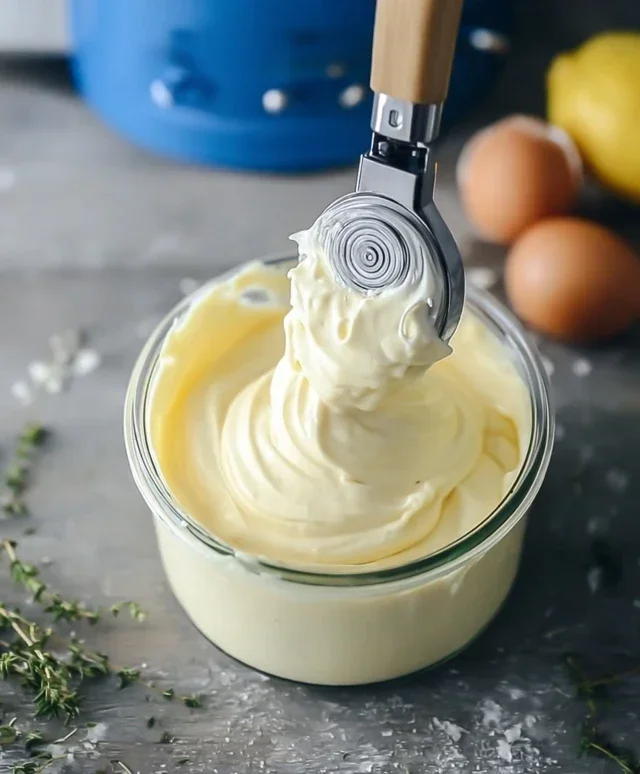
Making Mayo From Scratch Is Easy And Totally Worth It
Forget those jars from the grocery store! Making your own mayonnaise from scratch is surprisingly simple, incredibly rewarding, and the flavor is leagues beyond anything you’ll find pre-made. Seriously, once you taste homemade mayo, you’ll wonder why you ever settled for less. It’s a culinary superpower you can wield in your own kitchen, and it only takes a few minutes and a handful of basic ingredients. This isn’t some complex, multi-day process; it’s a quick emulsion that transforms humble ingredients into something creamy, luxurious, and utterly delicious.
The magic of mayonnaise lies in its emulsification: the process of binding oil and water-based ingredients together so they don’t separate. Typically, this involves egg yolk (which contains lecithin, a natural emulsifier) and an acid (like lemon juice or vinegar). When you whisk these together vigorously, the oil molecules get broken down into tiny droplets and are suspended within the water-based components, creating that smooth, thick consistency we all love.
Why bother, you ask? Well, the freshness of the ingredients shines through. You control the quality of your oil, the tangin extractess of your acid, and you can even play with flavor additions. Plus, there’s a certain satisfaction that comes from mastering a fundamental condiment. It’s a little bit of kitchen alchemy that yields a spectacular result. So, let’s get started and unlock the secret to perfect homemade mayo.
Ingredients:
Getting Started: The Foundation of Flavor
Before you even think about whisking, make sure your egg yolks are at room temperature. This is crucial for a stable emulsion. Cold egg yolks can cause the oil to seize up and break the mayonnaise, leading to a greasy mess. If you forget to take them out in advance, you can quickly warm them by placing them in a small bowl set over a pot of barely simmering water (a double boiler), whisking constantly for about a minute until they are no longer cold to the touch.
In a medium bowl, add your room-temperature egg yolks. If you’re using them, add the Dijon mustard and salt at this stage. The mustard acts as a fantastic emulsifier itself, providing little anchors for the oil droplets to cling to, making the process even easier and helping to prevent separation. Whisk these ingredients together until they are well combined and slightly pnon-alcoholic ale. The mixture will start to look a little frothy.
The Art of Emulsification: Slow and Steady Wins the Race
This is where the magic truly happens. You’re going to start adding your oil, but this is the most critical part, so pay close attention! You need to add the oil very slowly at first. Think a few drops at a time. As you add the oil, you’ll need to whisk continuously and vigorously. I find using a whisk in a bowl works wonderfully, but an immersion blender can also be a game-changer for speed and ease. If you’re using an immersion blender, make sure the egg yolk mixture is at the bottom of a tall, narrow container.
Continue adding the oil, drop by drop, while whisking constantly. You’ll notice the mixture starting to thicken and emulsify. This is the point where the mayonnaise begin extracts to form. Don’t rush this process! If you add the oil too quickly, the emulsion will break, and you’ll end up with a greasy, separated mixture. Be patient, and the beautiful, thick mayonnaise will start to take shape.
Once you’ve added about ¼ cup of oil and the mixture has noticeably thickened, you can start to add the oil in a very thin, slow, steady stream, continuing to whisk or blend. Keep an eye on the consistency. You’re looking for a thick, creamy, and spreadable texture. If at any point it looks like it’s starting to break or become too thick, stop adding oil and whisk until it smooths out again. You can then resume adding the oil. The amount of oil needed can vary slightly depending on the size of your egg yolks and the humidity, so it’s best to go by consistency rather than a strict measurement.
Finishing Touches and Flavor Adjustments
Once you’ve reached your desired thickness and used about ¾ cup of oil, it’s time for the final flavor adjustments. Add the lemon juice or vinegar. This acid not only adds a bright, tangy flavor but also helps to further stabilize the mayonnaise. Whisk it in thoroughly. Taste your mayonnaise at this point. Does it need more salt? A little more tang? Adjust the seasoning to your preference. A pinch of white pepper can add a subtle warmth. Remember that the flavors will continue to meld and develop as the mayonnaise chills.
If your mayonnaise has broken (meaning it looks oily and separated), don’t despair! You can usually rescue it. In a clean bowl, add a fresh egg yolk. Whisk it vigorously, then slowly, very slowly, start to drizzle in your broken mayonnaise, whisking constantly. It’s like starting over, but you’re re-emulsifying the oil into the new yolk.
Storing Your Homemade Delight
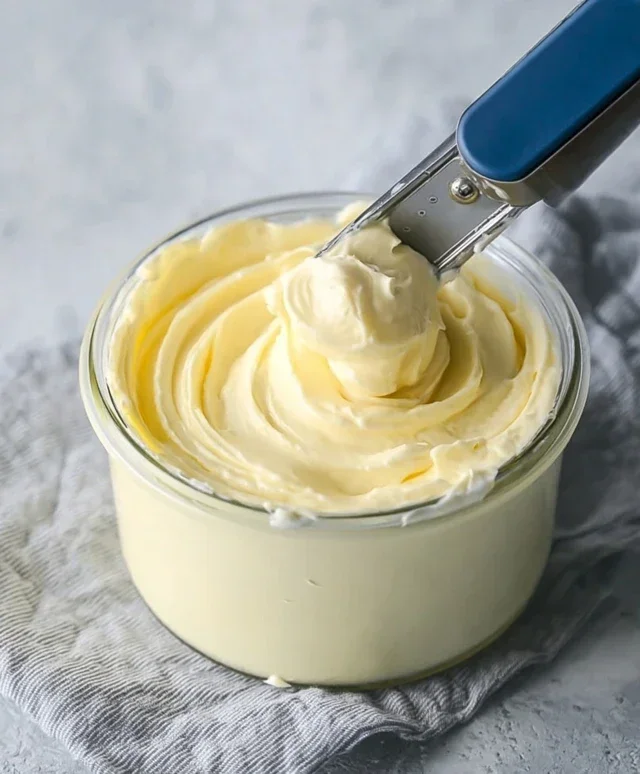
Transfer your glorious homemade mayonnaise to an airtight container. It will keep in the refrigerator for about a week. The fresher ingredients mean it won’t last as long as store-bought versions, but honestly, you’ll probably use it up long before then. Enjoy it on sandwiches, in salads, as a dip, or in any recipe that calls for mayo! The difference in taste and texture is truly astonishing and makes the minimal effort absolutely worth it.
Conclusion:
See? Making your own mayonnaise from scratch is not only achievable, but it’s also incredibly rewarding! The difference in taste and texture between homemade mayo and store-bought is phenomenal. You’ll enjoy a richer, creamier condiment with a fresher flavor that elevates everything from sandwiches to dips. The beauty of this recipe lies in its simplicity; with just a few pantry staples and a little whisking (or blending!), you can create a culinary masterpiece. Don’t be intimidated; embrace the process and enjoy the delicious results.
This versatile base is perfect for so many dishes. Slather it on your favorite deli sandwich, use it as a binder for chicken or tuna salad, or whip up a quick aioli by adding garlic and herbs. It’s also a fantastic base for potato salad, coleslaw, and deviled eggs. For variations, consider infusing your mayo with different flavors. Try adding a touch of sriracha for a spicy kick, some Dijon mustard for tang, or even finely chopped chives and dill for a herby twist. Experimentation is key!
We truly encourage you to give making mayo from scratch a try. You’ll be amazed at how easy it is and how much better it tastes. It’s a simple change that makes a big impact on your cooking. So, grab your ingredients and get whisking – you won’t regret it!
Frequently Asked Questions:
Why is my homemade mayonnaise not thickening?
This is often due to the oil being added too quickly or the ingredients not emulsifying properly. Ensure your egg yolk and lemon juice (or vinegar) are at room temperature. When adding the oil, start with just a few drops at a time, whisking constantly. Once it starts to thicken, you can gradually increase the oil flow to a thin, steady stream.
Can I use a different type of oil?
Yes, absolutely! While a neutral oil like canola, vegetable, or grapeseed oil is standard for a classic mayonnaise, you can experiment. Olive oil will impart a distinct flavor, so it’s best used in smaller proportions or for specific applications where you want that Mediterranean taste. Avocado oil is another good option for a neutral flavor profile.
Easy Homemade Mayonnaise
Learn how to make rich, creamy mayonnaise from scratch with simple ingredients. It’s surprisingly easy and tastes so much better than store-bought!
Ingredients
-
1 large egg yolk, at room temperature
-
1 teaspoon Dijon mustard
-
1 tablespoon fresh lemon juice
-
1/2 teaspoon salt
-
1 cup neutral oil (like canola, grapeseed, or avocado oil)
Instructions
-
Step 1
In a medium bowl, whisk together the egg yolk, Dijon mustard, lemon juice, and salt until well combined. -
Step 2
Begin whisking vigorously and slowly drizzle in the oil, a few drops at a time, until the mixture starts to emulsify and thicken. -
Step 3
Continue to drizzle in the oil in a very thin, steady stream while whisking constantly. The mayonnaise will become thick and creamy. -
Step 4
Once all the oil is incorporated and the mayonnaise has reached your desired consistency, stop whisking. -
Step 5
Taste and adjust seasoning if needed, adding more salt or lemon juice to your preference. -
Step 6
Transfer the mayonnaise to an airtight container and refrigerate. It will thicken further as it chills.
Important Information
Nutrition Facts (Per Serving)
It is important to consider this information as approximate and not to use it as definitive health advice.
Allergy Information
Please check ingredients for potential allergens and consult a health professional if in doubt.