Easy Mongolian Beef Recipe- Flavorful & Quick Dinner
Mongolian Beef is a dish that’s practically legendary in the world of takeout, and for good reason! It’s that irresistible combination of tender, thinly sliced beef coated in a glossy, savory-sweet sauce with just a hint of spice. Have you ever craved that perfect balance of textures and flavors, where the beef is melt-in-your-mouth tender and the sauce clings to every bite? That’s the magic of a truly great Mongolian Beef. What sets it apart is the artful blend of ingredients – the umami-rich soy sauce, the subtle sweetness of sugar or hoisin, and often a touch of gin extractger and garlic that create a symphony for your taste buds. It’s no wonder this dish has become a global favorite; it’s comfort food with an exciting, exotic twist that we can now bring right into our own kitchens.
Why We Adore This Dish
Let’s Make Amazing Mongolian Beef Tonight!
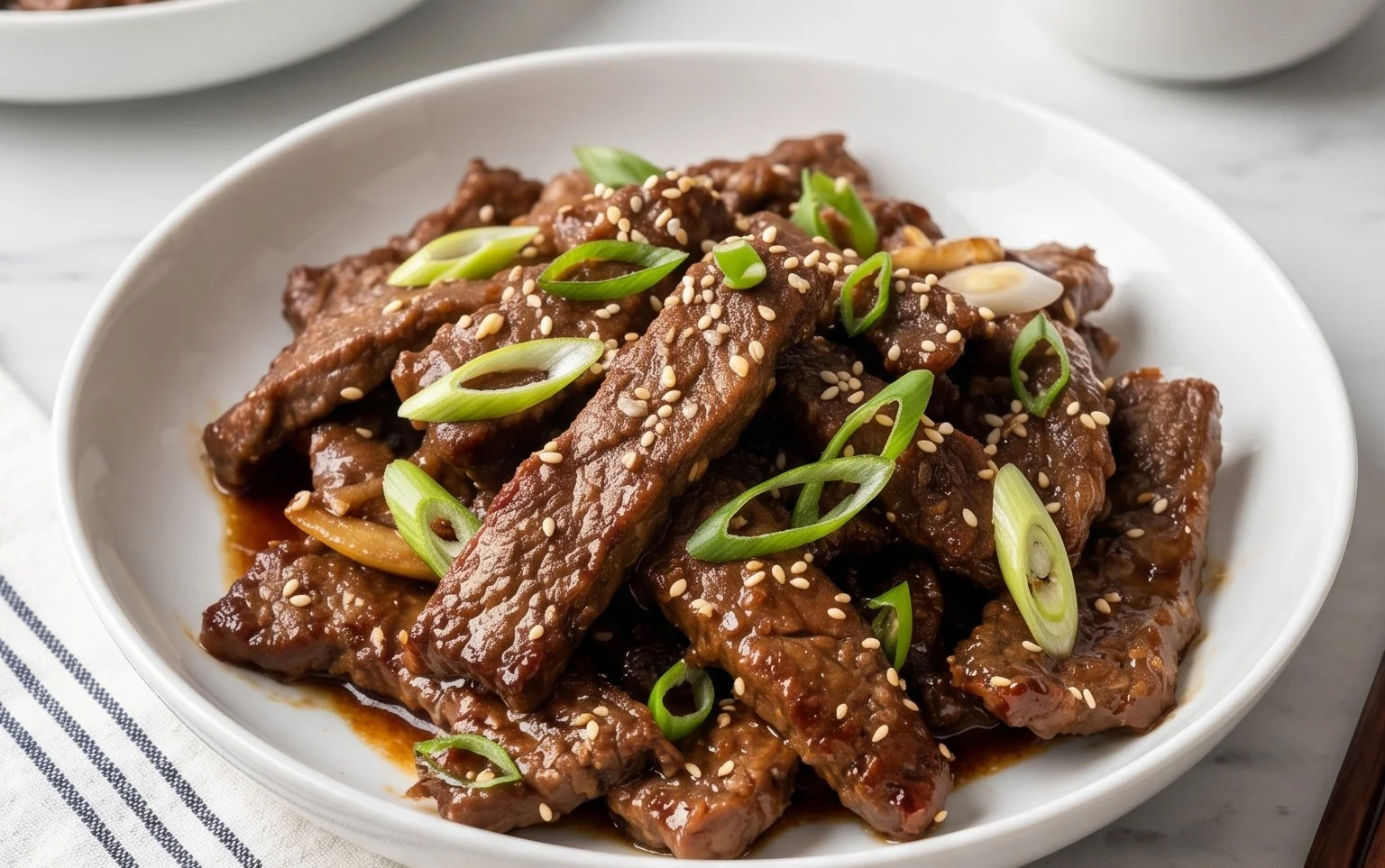
Mongolian Beef
There are some dishes that just scream comfort and deliciousness, and for me, Mongolian Beef is absolutely one of them. It’s that perfect balance of savory, sweet, and a hint of peppery kick, all coating tender strips of beef. This isn’t just a takeout favorite; making it at home is surprisingly straightforward and incredibly rewarding. The key to that melt-in-your-mouth beef lies in a few simple marinating techniques, and once you master those, you’ll be whipping this up regularly. So, let’s dive into creating this restaurant-quality classic in your own kitchen.
Ingredients:
Preparing the Beef
The first crucial step to achieving incredibly tender beef is in the marination. This process not only tenderizes the meat but also helps it absorb all those wonderful flavors.
1. Begin extract by thinly slicing your beef flank steak. Aim for slices that are about ⅛ to ¼ inch thick. This uniformity is important for even cooking. If your beef is slightly frozen, it can make slicing much easier. Take your time here, as this prep work really pays off.
2. In a medium bowl, combine the thinly sliced beef with 2 tablespoons of water, 2 teaspoons of Shaoxing rice vinegar, ½ teaspoon of Kosher salt, and ¼ teaspoon of baking soda. The baking soda is a secret weapon for tenderizing; it helps to break down the proteins in the beef, making it exceptionally soft. Gently mix everything together to ensure the beef is well coated. Let this marinate for at least 15-20 minutes at room temperature.
3. After the initial marination, drain off any excess liquid that may have accumulated. Then, add 2 tablespoons of cornstarch and 1 tablespoon of neutral oil to the beef. Mix this thoroughly until each slice of beef is evenly coated with the cornstarch and oil mixture. This coating will help create a protective layer during cooking, ensuring the beef gets a lovely sear without becoming tough.
Crafting the Mongolian Sauce
While the beef is marinating, you can prepare the irresistible sauce that defines this dish. It’s a simple combination that packs a punch of flavor.
1. In a small bowl, whisk together 1 tablespoon of Shaoxing rice vinegar, 3 tablespoons of granulated sugar, and 2 tablespoons of regular soy sauce. This creates the foundational sweet and savory base of our sauce. Make sure the sugar is dissolved.
Cooking the Mongolian Beef
Now for the fun part – bringin extractg it all together! We’ll cook the beef in batches to ensure a beautiful sear and prevent overcrowding the pan, which can lead to steaming instead of frying.
1. Heat 1 tablespoon of oil in a large skillet or wok over medium-high heat until it shimmers. Add the marinated beef in a single layer. It’s important not to overcrowd the pan, so you may need to cook the beef in two batches. Sear the beef for about 1-2 minutes per side, or until it’s browned and slightly caramelized. Remove the seared beef from the skillet and set it aside on a plate. Don’t worry if it’s not fully cooked through at this stage; it will finish cooking in the sauce.
2. In the same skillet (add a little more oil if needed), add the minced garlic and the white parts of the green onion. Stir-fry for about 30 seconds until fragrant, being careful not to burn the garlic. Then, add the sliced yellow onion and stir-fry for another 2-3 minutes until the onion begin extracts to soften.
3. Pour the prepared sauce mixture into the skillet with the onions and garlic. Bring the sauce to a simmer, stirring constantly. Once the sauce is simmering and slightly thickened, return the seared beef to the skillet. Add the green parts of the green onion and 1 teaspoon of cracked black pepper. Stir everything together to coat the beef and onions evenly with the sauce.
4. Continue to cook for another 1-2 minutes, stirring gently, until the beef is cooked through and the sauce has thickened to your desired consistency. If you’re using the rice vermicelli, you can add them now as well. Toss them in the sauce for about 30 seconds to warm through and absorb some of the delicious flavors. The rice vermicelli adds a delightful textural element, but feel free to omit it if you prefer.
Serve your hot, homemade Mongolian Beef immediately over steamed rice. The contrast between the fluffy rice and the rich, savory-sweet beef is pure perfection. Enjoy!
Conclusion:
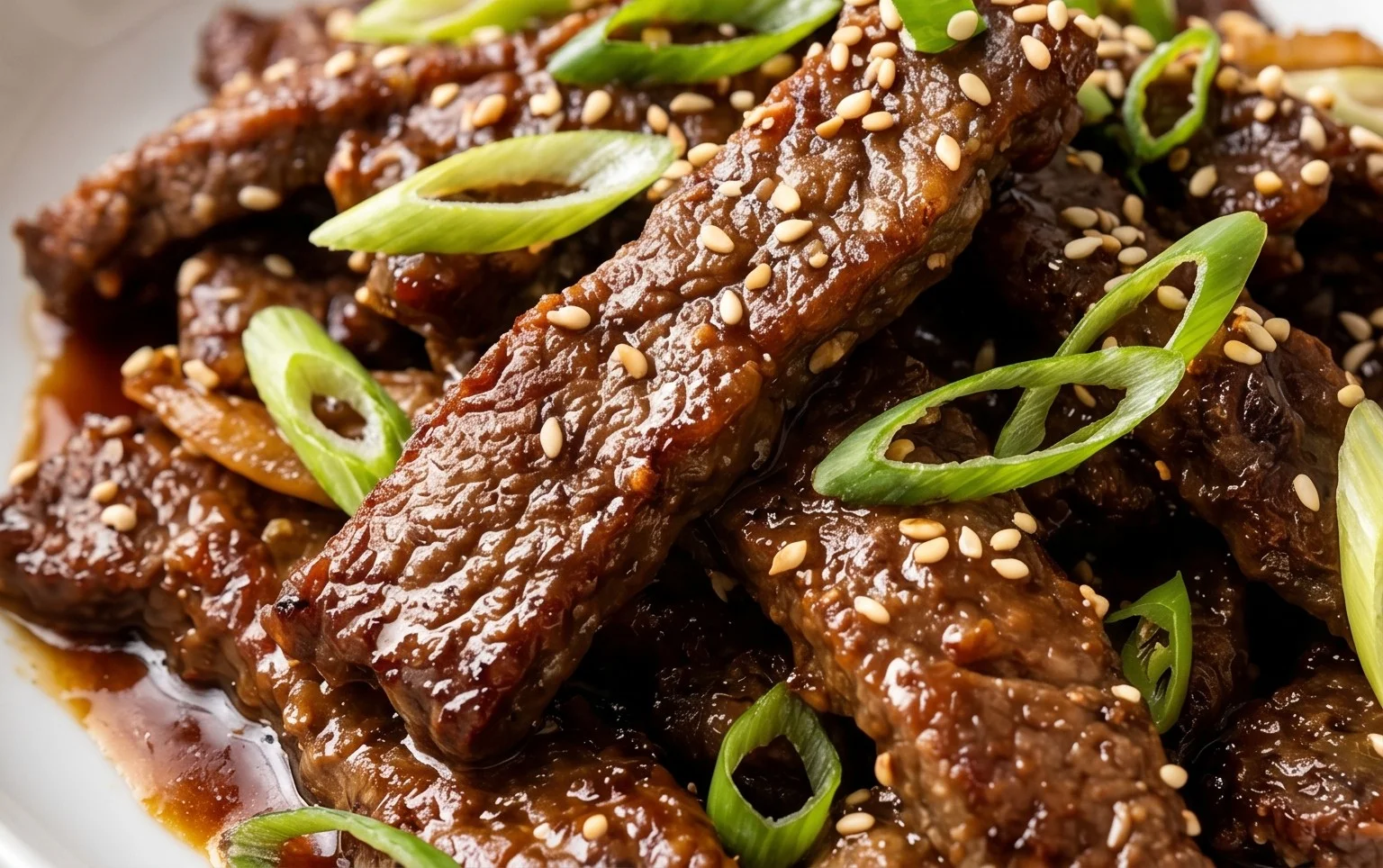
You’ve now got the blueprint to create a truly sensational Mongolian Beef right in your own kitchen! This recipe is fantastic because it delivers that irresistible sweet, savory, and slightly spicy flavor profile that makes this dish a global favorite, all with manageable steps. The tender beef coated in that glossy, flavorful sauce is incredibly satisfying and surprisingly easy to achieve. Don’t be intimidated by the ingredient list; each component plays a crucial role in building those authentic flavors.
I love serving this Mongolian Beef piping hot over fluffy steamed rice, letting the sauce generously coat every grain. For a complete meal, a side of steamed broccoli or stir-fried mixed vegetables makes it even more delicious and balanced. Feel free to experiment! If you’re not a fan of beef, thinly sliced chicken or even firm tofu can be substituted. For a touch of heat, add a pinch of red pepper flakes with the garlic and gin extractger. I truly encourage you to give this recipe a try – you’ll be amazed at how restaurant-quality Mongolian Beef you can create at home!
Frequently Asked Questions:
Can I make the sauce ahead of time?
Yes, absolutely! The sauce can be mixed and stored in an airtight container in the refrigerator for up to 3 days. This is a great way to save time on busy weeknights. Just give it a good whisk before adding it to the stir-fry.
What kind of beef is best for Mongolian Beef?
Flank steak or skirt steak are excellent choices for this dish. They are tender cuts that slice thinly against the grain, ensuring a melt-in-your-mouth texture. Avoid tougher cuts as they might become chewy.
Mongolian Beef
A popular American Chinese dish featuring thinly sliced beef stir-fried with a savory and slightly sweet sauce.
Ingredients
-
1 pound beef flank steak (thinly sliced (between ⅛ to ¼ inch thick))
-
2 tablespoons water
-
2 teaspoons Shaoxing rice vinegar
-
½ teaspoon Kosher salt ((a little less if using fine salt))
-
¼ teaspoon baking soda
-
2 tablespoons cornstarch
-
1 tablespoon oil (any neutral oil)
-
1 teaspoon cracked black pepper (more or less to taste)
-
1 tablespoon Shaoxing rice vinegar
-
3 tablespoons granulated sugar
-
2 tablespoons regular soy sauce
-
1 tablespoon garlic (minced (about 2 cloves))
-
½ large yellow onion (sliced)
-
1 bunch green onion (cut into 2 inch pieces (separate the white and green parts))
Instructions
-
Step 1
In a bowl, combine the thinly sliced beef, 2 tablespoons water, 2 teaspoons Shaoxing rice vinegar, Kosher salt, and baking soda. Mix well and let marinate for 10-15 minutes. -
Step 2
In a separate small bowl, whisk together the cornstarch with 2 tablespoons of water until smooth. Set aside. -
Step 3
In another small bowl, whisk together the 1 tablespoon Shaoxing rice vinegar, granulated sugar, regular soy sauce, and minced garlic. Set aside. -
Step 4
Heat 1 tablespoon of neutral oil in a wok or large skillet over high heat until shimmering. Add the marinated beef in a single layer (cook in batches if necessary to avoid crowding) and sear until browned on both sides, about 1-2 minutes per side. Remove beef from the wok and set aside. -
Step 5
Add the sliced yellow onion to the wok and stir-fry for 1 minute until slightly softened. Add the white parts of the green onions and stir-fry for another 30 seconds. -
Step 6
Pour the prepared sauce mixture into the wok. Bring to a simmer, then stir in the cornstarch slurry from step 2. Cook, stirring constantly, until the sauce has thickened, about 1 minute. -
Step 7
Return the seared beef to the wok. Add the cracked black pepper and the green parts of the green onions. Toss to coat the beef and onions evenly in the sauce. Cook for another 30 seconds to heat through.
Important Information
Nutrition Facts (Per Serving)
It is important to consider this information as approximate and not to use it as definitive health advice.
Allergy Information
Please check ingredients for potential allergens and consult a health professional if in doubt.