Easy Homemade Bread Recipe – Delicious & Simple
Homemade bread is more than just a food; it’s an experience. There’s an undeniable magic that fills your kitchen when the aroma of freshly baked loaves begin extracts to waft from the oven, a scent that instantly evokes feelings of warmth, comfort, and nostalgia. Why is homemade bread so universally adored? It’s the simple pleasure of transforming humble ingredients – flour, water, yeast, and salt – into something truly spectacular with your own two hands. The satisfaction of pulling a golden-brown crusty loaf from the oven, knowing you created it from scratch, is unparalleled. This isn’t just about sustenance; it’s about connection – to tradition, to the earth, and to the people you’ll share it with. My recipe for homemade bread aims to demystify the process, making it accessible and rewarding for bakers of all levels, ensuring you can create that perfect loaf that sings with flavor and texture, a testament to the enduring appeal of homemade bread.
Homemade Bread
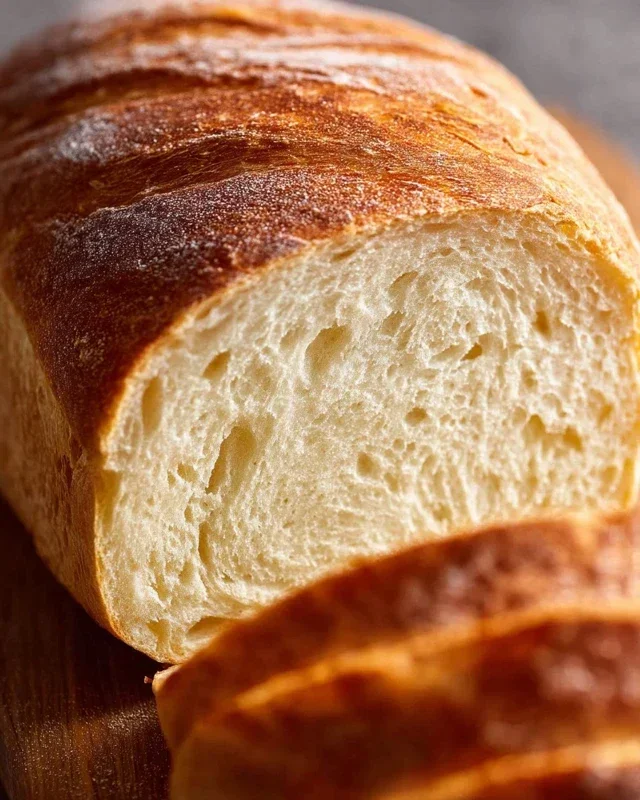
There’s nothing quite like the aroma of freshly baked bread filling your kitchen. It’s a comforting, almost magical scent that instantly makes a house feel like a home. While store-bought loaves are convenient, the satisfaction of pulling a golden-brown, crusty loaf from your own oven is truly unparalleled. Making bread from scratch might seem daunting, but with a few simple ingredients and a little patience, you can achieve bakery-quality results in your own kitchen. This recipe is designed for begin extractners, with clear steps and helpful tips to guide you through the process. Get ready to impress yourself and your loved ones with your very own homemade bread!
Ingredients:
Getting Started: Activating the Yeast
The first crucial step in making any yeast-leavened bread is to properly activate your yeast. This ensures that your yeast is alive and ready to work its magic. In a large mixing bowl, combine the warm water and your chosen sweetener – either honey or sugar. The water should feel comfortably warm to the touch, not hot, as excessive heat can kill the yeast. A temperature range of 105-115 degrees Fahrenheit is ideal. Once the sweetener is dissolved, sprinkle the active dry yeast over the surface of the liquid. Avoid stirring it in at this stage; just let it sit on top. Let this mixture stand for about 5-10 minutes. You’ll know the yeast is active when it becomes foamy and bubbly, resembling a thick froth on the surface. If you don’t see this activity, your yeast may be old or the water wasn’t the right temperature, and you’ll need to start over with fresh yeast.
Mixing the Dough
Once your yeast is happily bubbling, it’s time to build the rest of your dough. Add the salt and the oil to the yeast mixture. Give it a gentle stir to combine. Now, it’s time to introduce the flour. Start by adding 4 cups of the all-purpose or bread flour to the wet ingredients. If you have bread flour, it will give you a chewier loaf due to its higher gluten content, but all-purpose flour works beautifully as well. Using a sturdy spoon or a dough whisk, begin extract to mix the ingredients together. The dough will be quite shaggy and sticky at this point. Continue adding more flour, about 1/2 cup at a time, until the dough starts to pull away from the sides of the bowl and becomes more manageable. You may not need all 5 1/2 cups of flour, or you might need slightly more, depending on the humidity and the type of flour you’re using. The goal is to achieve a dough that is still slightly tacky but no longer sticking excessively to your hands or the bowl.
Kneading the Dough
Kneading is essential for developing the gluten in the flour, which gives bread its structure and chewy texture. Lightly flour a clean work surface. Turn the dough out onto the floured surface. Now, begin extract to knead. Push the dough away from you with the heels of your hands, then fold it back over itself. Rotate the dough a quarter turn and repeat the process. This will take practice, but the motion is generally: push, fold, turn. Initially, the dough will be sticky and may tear easily. Resist the urge to add too much extra flour, as this can result in a dense loaf. With consistent kneading for about 8-10 minutes, you’ll notice the dough becoming smoother, more elastic, and less sticky. It should spring back slowly when you poke it with your finger. If it feels too sticky after a few minutes of kneading, dust your hands and the surface with just a tiny bit more flour.
First Rise: The Proofing Process
Now that your dough has been kneaded to perfection, it’s time for its first rise, also known as proofing. Lightly grease a clean, large bowl with a little oil. Place the kneaded dough into the oiled bowl, turning it to coat all sides with the oil. This prevents the dough from drying out. Cover the bowl tightly with plastic wrap or a clean kitchen towel. Find a warm, draft-free spot in your kitchen for the dough to rise. An oven that has been turned off but still retains a little residual warmth is often ideal. Let the dough rise for about 1 to 1.5 hours, or until it has doubled in size. This process allows the yeast to ferment, producing carbon dioxide gas that makes the dough expand and develop flavor. You’ll know it’s ready when it looks puffy and has a rounded dome.
Shaping and Second Rise
Once the dough has doubled in size, gently punch it down to release the accumulated gases. This process, called degasing, helps to create a more even texture. Turn the dough out onto a lightly floured surface. Now, you can shape your loaf. For a classic sandwich loaf, you can gently pat the dough into a rectangle, then roll it up tightly from one of the shorter ends, pinching the seam closed. Place the shaped loaf, seam-side down, into a greased loaf pan. Alternatively, you can form it into a round boule or an oval shape and place it on a baking sheet lined with parchment paper. Cover the shaped loaf loosely with plastic wrap or a clean kitchen towel and let it rise for a second time, for about 30-45 minutes, or until it has noticeably increased in size and looks puffy. This second rise is crucial for a light and airy crum extractb.
Baking Your Homemade Bread
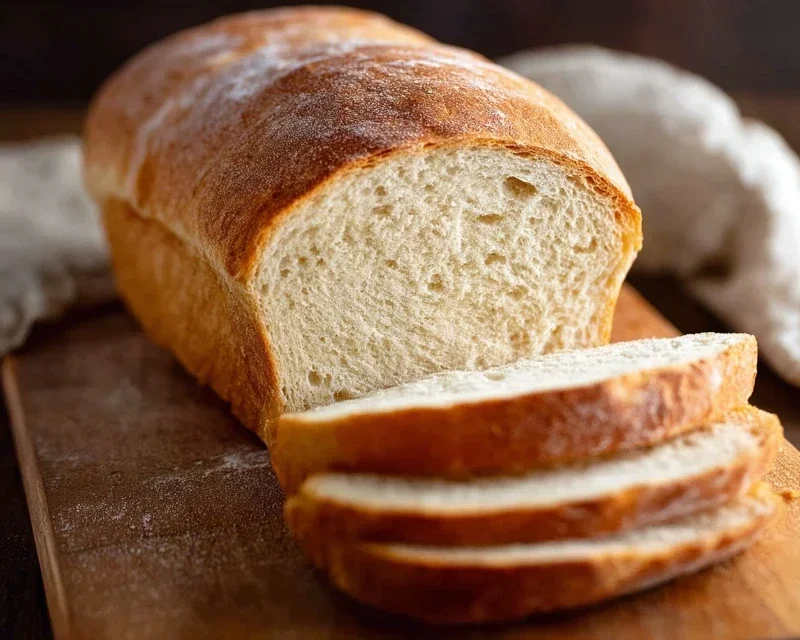
Preheat your oven to 375 degrees Fahrenheit (190 degrees Celsius) during the second rise. Once the oven is preheated and the loaf has finished its second rise, it’s time to bake! If you like a shiny crust, you can brush the top of the loaf with a little milk or an egg wash before baking. Place the loaf pan or baking sheet in the preheated oven. Bake for 30-40 minutes, or until the crust is a deep golden brown and the internal temperature of the bread reaches 190-200 degrees Fahrenheit (88-93 degrees Celsius) when tested with an instant-read thermometer. You can also tap the bottom of the loaf; if it sounds hollow, it’s likely done. Remove the bread from the oven and immediately transfer it from the loaf pan to a wire rack to cool completely. Allowing the bread to cool is essential for the internal structure to set properly. Slicing into hot bread can result in a gummy texture. Enjoy the fruits of your labor – the incredible taste and aroma of your very own homemade bread!
Conclusion:
You’ve seen how surprisingly straightforward it is to create your own delicious, aromatic homemade bread. This recipe is fantastic because it uses simple ingredients you likely already have, and the process itself is incredibly rewarding. The aroma that fills your kitchen as it bakes is unparalleled, and the satisfaction of slicing into a warm, crusty loaf you made yourself is immense. This versatile loaf is perfect as a base for sandwiches, toasted and buttered for breakfast, or served alongside your favorite soups and stews. Don’t be afraid to experiment! Try adding herbs like rosemary or thyme to the dough, or stir in some shredded cheese for a savory twist. The possibilities are truly endless. So go ahead, preheat your oven, and give this homemade bread recipe a try. You might just discover your new favorite kitchen adventure!
Frequently Asked Questions:
Why is my bread dense instead of light and airy?
This is a common issue! Often, density comes from not developing the gluten enough (kneading too little), or from using too much flour. Ensure you’re kneading until the dough is smooth and elastic. Also, try measuring flour by weight if possible, or lightly spooning it into your measuring cup and leveling it off.
Can I make this bread without a stand mixer?
Absolutely! While a stand mixer makes kneading easier, you can achieve great results with good old-fashioned elbow grease. Kneading by hand for about 8-10 minutes until the dough is smooth and passes the windowpane test is perfectly effective.
How should I store my homemade bread?
Once completely cooled, store your bread in a bread box or a loosely senon-alcoholic aled plastic bag at room temperature for 2-3 days. For longer storage, slice the cooled loaf and freeze it in an airtight container or freezer bag. It thaws beautifully!
Homemade Bread
A simple and delicious recipe for classic homemade bread, perfect for sandwiches or enjoying with butter.
Ingredients
-
2 cups warm water (105-115 degrees)
-
1 Tablespoon active dry yeast
-
1/4 cup honey
-
2 teaspoons salt
-
2 Tablespoons canola oil
-
4 cups all-purpose flour
Instructions
-
Step 1
In a large bowl, combine the warm water, honey, and yeast. Let it sit for about 5-10 minutes until foamy. -
Step 2
Stir in the salt and oil. -
Step 3
Gradually add the flour, starting with 4 cups, mixing until a shaggy dough forms. You may need to add up to 1 1/2 more cups of flour. -
Step 4
Turn the dough out onto a lightly floured surface and knead for 8-10 minutes until smooth and elastic. -
Step 5
Place the dough in a lightly oiled bowl, turning to coat. Cover and let rise in a warm place for 1 to 1 1/2 hours, or until doubled in size. -
Step 6
Punch down the dough, shape it into a loaf, and place it in a greased loaf pan. Let it rise again for another 30-45 minutes. -
Step 7
Preheat oven to 375°F (190°C). Bake for 30-35 minutes, or until the crust is golden brown and the bread sounds hollow when tapped. -
Step 8
Let cool on a wire rack before slicing.
Important Information
Nutrition Facts (Per Serving)
It is important to consider this information as approximate and not to use it as definitive health advice.
Allergy Information
Please check ingredients for potential allergens and consult a health professional if in doubt.